-170x47.png)
Must-Know Before Buying a Sauna: Common Questions & Industry Basics
Key Points and Basic Know-How for Selecting Export-Grade Solid Wood Saunas – From a Factory Perspective
Against the backdrop of a growing health-conscious lifestyle, saunas – as home or commercial devices that promote relaxation, sweating, and detoxification – are gaining increasing popularity among consumers. Solid wood saunas, in particular, are a top choice for many homes and high-end venues due to their natural, eco-friendly, and durable material properties. As a factory that specializes in producing saunas, we often encounter various questions from customers when
they are selecting a solid wood sauna. Today, from our factory’s perspective, we’ve compiled a list of common questions and essential industry knowledge that you should know before making a purchase, to help you better understand and choose the right solid wood sauna for your needs.
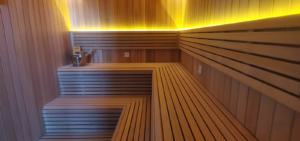
First of all, what exactly is a solid wood sauna? Simply put, a solid wood sauna is an enclosed thermal therapy space built primarily from natural solid woods (such as Western Red Cedar, Nordic Spruce, or Canadian Hemlock). Wood inherently possesses excellent thermal insulation, humidity regulation, and heat resistance – it not only prevents heat loss but also absorbs excess moisture and releases a faint, pleasant wood aroma. When in use, the sauna is heated by an electric or wood-burning stove, creating a dry or humid hot environment that promotes sweating, soothes muscles, and relaxes both body and mind.
Before purchasing a solid wood sauna, consumers typically care about the following questions:
What environments are suitable for a solid wood sauna?
Solid wood saunas are generally suitable for homes, gyms, spa clubs, hotels, and similar venues. Because wood is relatively sensitive to humidity and temperature, it is recommended to install the sauna in a relatively stable, constant temperature and humidity environment, avoiding prolonged exposure to extremely damp or overly dry spaces. Additionally, the installation location should allow for proper ventilation and electrical safety to ensure stability and safety during use.
What types of wood are commonly used for solid wood saunas?
In our factory, the common woods used for solid wood saunas include Western Red Cedar, Nordic Spruce, and Canadian Hemlock. These woods are dense, highly resistant to corrosion, and resistant to cracking when heated, making them ideal for sauna construction. Among them, Western Red Cedar is the preferred material for many high-end sauna projects due to its natural insect and mold resistance and pleasant aroma.
How can you tell if a solid wood sauna is of good quality?
The quality of a solid wood sauna can be assessed from several aspects: first, the type of wood and its degree of drying – properly dried wood is less likely to warp or crack; second, the craftsmanship details, such as tightness of joints and sturdiness of hardware fittings; third, whether the overall structural design is scientifically sound, providing effective insulation and moisture drainage; and fourth, whether the manufacturer has the relevant production certifications and export experience.
What should you pay attention to when buying a solid wood sauna?
When making a purchase, it is advisable to define the usage scenario and the number of users, and choose the appropriate size and configuration based on actual needs. At the same time, you should understand the product’s after‑sales service policy, including shipping, installation, and repair. You should also verify whether the product meets the certification requirements of the target market, such as CE or FSC.